Trust Is Built Through Real Stories
People trust people. Before someone hires you, donates to you, or buys from you, they want proof that others had a good experience. That’s where testimonials matter. But the best testimonials don’t always come from asking a client to “say something nice.” They often come from creating the right opportunity to capture authentic feedback.
Here are five ways organizations can gather stronger, more useful testimonials, and turn them into content that keeps working long after it’s recorded.
1. Virtual Testimonial Interviews
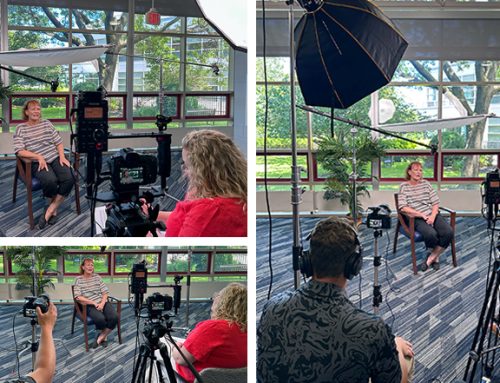
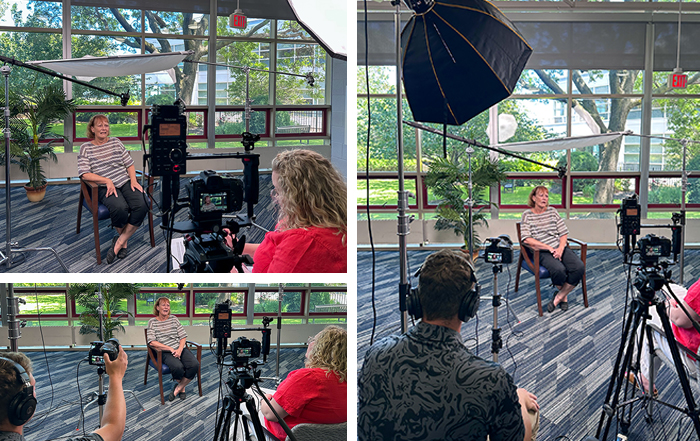
Not every client or customer has time to schedule a formal video shoot or record something on their own. A simple remote conversation can remove a lot of that pressure.
It can be a fast, low-lift way to capture honest feedback while making it easier on the person sharing their story. For many organizations, that can lead to more participation and more authentic responses.
The bigger idea is this: testimonials do not have to be complicated to be valuable.
With professional editing, a simple recording can become a powerful brand promotion, success story, or milestone piece. Sometimes the easier you make it for the speaker, the better the story you get.
And once captured, those conversations can support video content, social clips, case studies, and other marketing assets.
2. Live Event Interviews
If you’re already hosting an event, you already have built-in testimonial opportunities.
Conferences, fundraisers, open houses, training sessions, and client appreciation events can all be ideal places to capture quick reactions while energy is high.
Short on-camera comments from attendees often feel spontaneous and credible because they are. They can help prospects understand the value of your event through real participant voices, while also creating content you can use to promote future events, support sponsorship efforts, and reinforce your brand.
It’s also a smart way to get more value from event coverage by turning one shoot into both event content and authentic testimonial content. In many cases, these quick interviews can become just as valuable as the event footage itself.
3. Multi-Testimonial Compilations
One testimonial can be useful. A collection of testimonials can become a content engine.
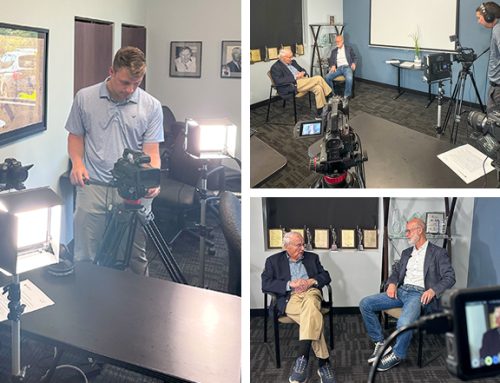
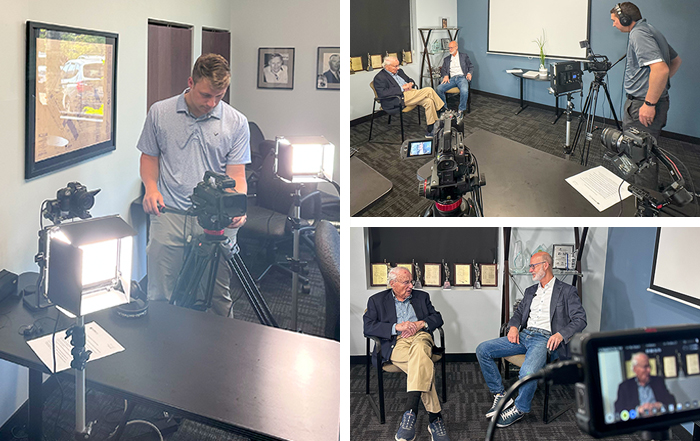
Consider scheduling a dedicated testimonial day where multiple clients, partners, or stakeholders are interviewed. From a production standpoint, this is a smart way to create months of promotional content from a single planned shoot.
With the right planning, one shoot can be edited into multiple pieces organized around themes like results, client experience, challenges solved, or why people choose to work with you. Instead of one testimonial video, you may come away with a library of content that supports brand promotion, sales, and ongoing marketing.
Hearing recurring themes across multiple voices can strengthen credibility and help prospects build confidence. Sometimes the opportunity is not just capturing one great story. It’s capturing several and letting the patterns tell the story.
4. Strategic Interviews
Testimonials don’t always have to come from customers. Sometimes partners, collaborators, stakeholders, or internal teams can speak to the experience of working together. That can add another layer of credibility while broadening the kinds of stories you can tell.
Think:
- Project partners talking about collaboration
- Vendors discussing long-term relationships
- Team members sharing client success outcomes
- Stakeholders reflecting on impact
There’s also value in remembering testimonials do not always have to be off the cuff. Thoughtful prep can help you get more out of company interviews while still keeping the message authentic.
That may mean identifying the right employee to speak to the right topic, shaping interviews around themes, or making room for leadership perspectives that communicate transparency and trust.
An honest, direct message from an owner or CEO can go a long way, especially when the goal is not just endorsement, but showing values, accountability, and credibility.
5. Transformation Stories
Testimonials don’t have to sound like praise to be persuasive. Some of the strongest stories are about change. Instead of asking people to say why you’re great or why they like working with you, focus on what has evolved over time.
That could include:
- Employee growth and career journeys
- Long-term or generational client relationships
- Brand history and milestone stories
- Before-and-after transformations
- Stories of impact over time
These kinds of testimonials often feel richer because they reveal progress, trust, and lived experience. They can also lead to content organized around themes like legacy, culture, loyalty, innovation, or growth. Because transformation stories tend to be more narrative-driven, they often have value beyond testimonial use, supporting brand storytelling, recruiting, fundraising, and promotional content.
Real Stories Have Long-Term Value
The common thread in all five approaches is this: strong testimonials are not just about gathering praise. They are about capturing proof in ways that feel authentic, useful, and believable.
Whether it comes through a virtual interview, live event reactions, a multi-testimonial series, a thoughtful leadership message, or a transformation story, the goal is the same—help people see the value of what you do through real voices and real experiences.
When done well, testimonials can do far more than support a single campaign. They can build trust, reduce hesitation, strengthen credibility, and create content that supports marketing, sales, recruiting, fundraising, and brand storytelling over time.
The opportunity is not just to collect a quote. It’s to turn real experiences into content that keeps working.
How New Image Media Can Help
You may already have the stories. The right production approach helps turn them into testimonial content people trust and content that keeps working across channels.
Ready to turn those ideas into polished testimonial videos? Let’s talk.